Have queries?for Appointment: +91 9051148463 / 7439437809
Orthopedic Screening of New Born
Kids Orthopedic
- Orthopedic Screening of New Born
- Causes
- Symptoms
- Diagnosis
- Treatment
- Recovery
- My Special Cases
About Orthopedic Screening of New Born
Orthopedic screening of newborns is a crucial part of neonatal examination aimed at detecting musculoskeletal abnormalities early in life. The primary focus is on identifying conditions such as developmental dysplasia of the hip (DDH), congenital talipes equinovarus (clubfoot), limb deformities, and spinal anomalies.
When abnormalities are identified, timely referral to a pediatric orthopedic specialist ensures appropriate intervention, which may include bracing, casting, or surgery depending on severity. By integrating orthopedic screening into standard neonatal care, healthcare providers can promote healthy musculoskeletal development and prevent complications that could otherwise impair a child’s growth and mobility.
Causes
Key Causes of Orthopedic Abnormalities in Newborn are:
- Genetic factors
- Intrauterine positioning
- Birth trauma
- Maternal health conditions
- Environmental influences
- Neuromuscular disorders
Symptoms
Common Symptoms of Orthopedic Abnormalities in Newborn:
- Visible deformities
- Hip instability
- Spinal irregularities
- Reduced movement
- Fragile bones
- Unequal limb length
Diagnosis
Orthopedic abnormalities in newborns are diagnosed through a combination of careful physical examination, risk factor assessment, and targeted imaging.
Clinical Examination:
- Inspection for visible deformities (clubfoot, limb asymmetry, spinal curvature)
Risk Factor Evaluation:
- Breech presentation, family history of hip dysplasia, oligohydramnios, or multiple gestation increase suspicion.
- Birth trauma (fractures, brachial plexus injury) may prompt closer monitoring.
Imaging & Confirmatory Tests
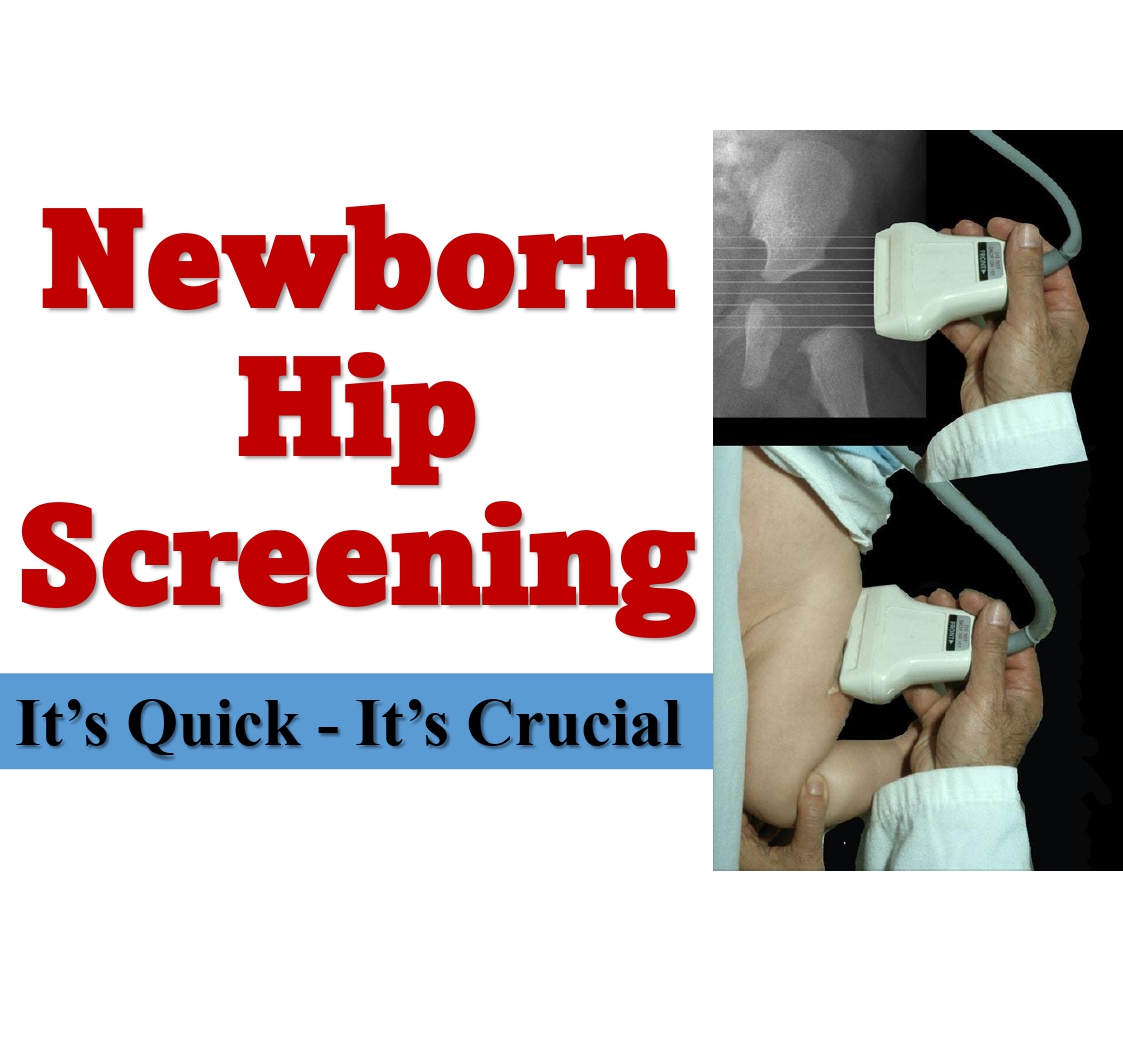
- Ultrasound: Preferred for hip dysplasia in infants under 6 months, as bones are not fully ossified.
- Others : Xray, CT Scan, MRI, Genetic Tests
Treatment
| Condition | Conservative Treatment | Surgical/Advanced Treatment | Follow-up Care |
| Developmental Dysplasia of the Hip (DDH) | Pavlik harness, abduction braces | Closed/open reduction, hip spica casting | Regular hip ultrasound/X-ray, monitor gait |
| Clubfoot (Congenital Talipes Equinovarus) | Ponseti method (serial casting, bracing) | Soft tissue release, tendon transfer, Osteotomy | Long-term bracing, physiotherapy |
| Birth-related fractures (e.g., clavicle, humerus) | Immobilization, gentle handling | Rarely needed | Observation, most heal spontaneously |
| Brachial Plexus Injury | Physiotherapy, range-of-motion exercises | Nerve grafting/repair if no recovery in months | Ongoing rehab, monitor motor milestones |
| Spinal deformities (e.g., congenital scoliosis, spina bifida) | Observation, bracing for mild cases | Corrective spinal surgery, neurosurgical repair (spina bifida) | Long-term orthopedic & neurological follow-up |
| Limb length discrepancies | Shoe lifts, physiotherapy | Limb lengthening surgery (Ilizarov technique) | Growth monitoring, gait assessment |
Recovery
Recovery from orthopedic abnormalities in newborns depends on the type of condition, the timing of diagnosis, and the effectiveness of treatment. With early detection and proper management, many infants achieve full or near-normal musculoskeletal function, though some may require long-term monitoring and support.
My Special Cases
Coming soon…