
Have queries?for Appointment: +91 9051148463 / 7439437809
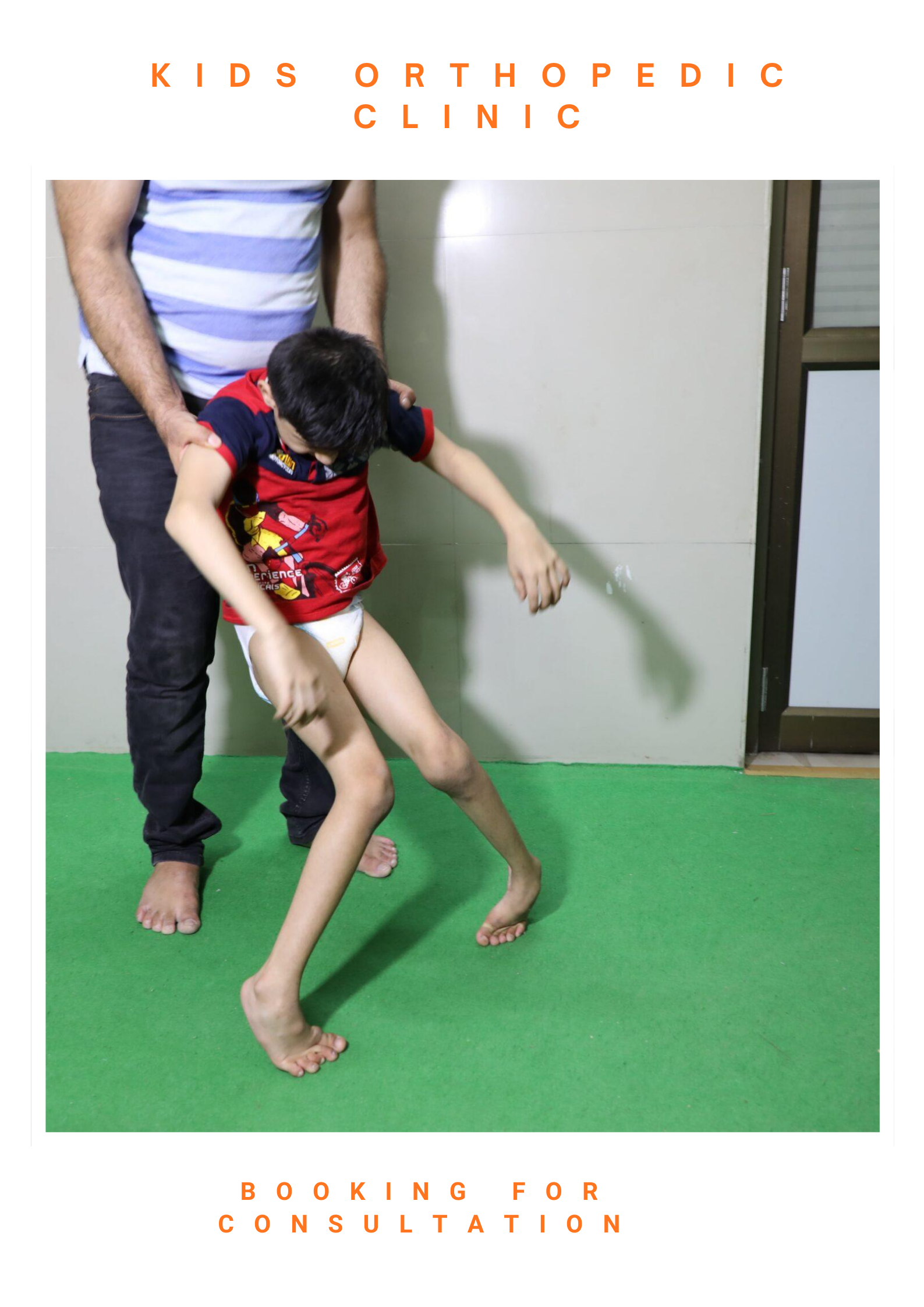
Cerebral Palsy Kneeling Test: Importance in Pediatric Orthopedic Assessment
Cerebral palsy (CP) is a neurological condition that affects movement, muscle tone, and posture. It usually develops due to abnormal brain development or damage to the developing brain before, during, or shortly after birth. Children with cerebral palsy often experience difficulties with balance, coordination, and muscle control, which can impact their ability to perform everyday physical activities.
In pediatric orthopedics and physiotherapy, various clinical tests are used to evaluate motor function and posture in children with CP. One such important functional assessment is the Cerebral Palsy Kneeling Test. This test helps doctors and physiotherapists evaluate a child’s core stability, balance, and lower limb control.
At https://kidsorthopedic.com/, pediatric orthopedic specialists often assess children with movement disorders using functional tests like the kneeling test to better understand motor development and guide treatment planning.
Understanding Cerebral Palsy
Cerebral palsy is a group of disorders that affect body movement and muscle coordination. The condition is non-progressive, meaning it does not worsen over time, but the symptoms may change as a child grows.
Common signs of cerebral palsy include:
-
Muscle stiffness or spasticity
-
Poor coordination and balance
-
Delayed motor milestones such as crawling or walking
-
Difficulty standing or maintaining posture
-
Abnormal walking patterns
These symptoms can significantly affect a child’s ability to perform daily physical activities. Because of these challenges, healthcare professionals rely on functional assessments to measure motor ability and track progress during treatment.
What is the Cerebral Palsy Kneeling Test?
The kneeling test is a functional assessment used in pediatric physiotherapy to evaluate postural control and trunk stability in children with cerebral palsy.
During this test, the child is asked to kneel upright on both knees while maintaining balance without excessive support. The therapist observes how well the child can maintain posture and control their body.
The kneeling position requires coordination between several body systems, including:
-
Trunk muscles
-
Hip and thigh muscles
-
Balance control mechanisms
-
Neuromuscular coordination
Because of this, the kneeling test is a valuable way to identify motor control problems in children with neurological conditions.
Why Kneeling Ability Matters in Cerebral Palsy
Kneeling is an important developmental milestone in children. It plays a key role in transitions between sitting, crawling, and standing.
In children with cerebral palsy, kneeling ability reflects the strength and control of the trunk and lower limbs. The ability to kneel properly may indicate better motor function and improved balance.
The kneeling position helps evaluate:
-
Core stability
-
Hip control and alignment
-
Balance reactions
-
Weight distribution between both legs
In motor function assessments such as the Gross Motor Function Measure (GMFM), crawling and kneeling are considered important functional activities that help measure a child’s gross motor development.
How the Cerebral Palsy Kneeling Test is Performed
The kneeling test is usually conducted by a pediatric orthopedic surgeon or physiotherapist in a clinical setting.
Step-by-Step Procedure
-
Initial Position
-
The child is placed on a soft mat or therapy surface.
-
Both knees are positioned on the ground.
-
-
Upright Posture
-
The child is asked to maintain an upright kneeling position.
-
The trunk should remain straight without excessive bending.
-
-
Balance Observation
-
The therapist observes whether the child can maintain balance independently.
-
-
Movement Assessment
-
The therapist may ask the child to reach forward or sideways while kneeling.
-
-
Support Evaluation
-
The amount of assistance needed to maintain the position is noted.
-
This simple assessment provides valuable information about postural control, hip stability, and coordination.
What Doctors Look for During the Test
During the kneeling test, doctors carefully observe several key aspects of movement.
1. Trunk Stability
Children with good trunk control can maintain an upright posture without excessive swaying. Poor trunk stability may indicate weakness in the core muscles.
2. Hip Alignment
Proper kneeling requires the hips to stay aligned over the knees. In children with CP, hip tightness or spasticity may cause abnormal positioning.
3. Balance Control
Balance reactions help a child remain stable while kneeling. Poor balance may result in frequent falling or the need for external support.
4. Muscle Tone
Many children with CP experience spasticity, which is increased muscle stiffness that can interfere with smooth movement.
5. Weight Distribution
The therapist evaluates whether the child places equal weight on both knees or favors one side.
Clinical Importance of the Kneeling Test
The kneeling test provides important information for planning treatment and rehabilitation.
1. Early Detection of Motor Problems
The test helps identify delays in motor development and balance control in children with cerebral palsy.
2. Monitoring Therapy Progress
Doctors and therapists can repeat the test over time to track improvements in stability and strength.
3. Planning Rehabilitation Programs
Results from the kneeling test help design targeted therapies such as:
-
Balance training
-
Core strengthening exercises
-
Postural control therapy
-
Functional movement training
Role of Physiotherapy in Improving Kneeling Ability
Physiotherapy plays a critical role in improving motor function in children with cerebral palsy.
Therapists often use exercises that focus on kneeling and half-kneeling positions to strengthen muscles and improve balance.
Common therapeutic exercises include:
-
Supported kneeling balance exercises
-
Half-kneeling to standing transitions
-
Core stability training
-
Functional reaching activities
These exercises help improve coordination and prepare children for higher-level movements such as standing and walking.
When Should a Child Be Evaluated?
Parents should consider seeking evaluation if their child shows signs such as:
-
Difficulty sitting without support
-
Delayed crawling or standing
-
Poor balance during movement
-
Stiff or tight muscles
-
Uneven posture
Early diagnosis and intervention can significantly improve motor outcomes and quality of life for children with cerebral palsy.
Pediatric Orthopedic Care for Cerebral Palsy
Managing cerebral palsy requires a multidisciplinary approach that may involve:
-
Pediatric orthopedic specialists
-
Physiotherapists
-
Neurologists
-
Occupational therapists
At Kids Orthopedic Clinic, specialists focus on comprehensive evaluation and personalized treatment plans for children with movement disorders.
Assessments such as the Cerebral Palsy Kneeling Test help doctors understand each child’s functional ability and guide treatment strategies to improve mobility and independence.
Conclusion
The Cerebral Palsy Kneeling Test is a valuable clinical assessment used to evaluate posture, balance, and motor control in children with cerebral palsy. By observing how a child maintains a kneeling position, healthcare professionals can gain insight into trunk stability, hip strength, and coordination.
This simple yet effective test plays an important role in diagnosing motor impairments, planning physiotherapy programs, and monitoring rehabilitation progress. With early assessment and proper treatment, many children with cerebral palsy can improve their functional abilities and lead more active lives.
For parents concerned about their child’s movement development, consulting a pediatric orthopedic specialist and undergoing appropriate assessments can be the first step toward effective care.